News

From Grid Management to Value Creation: JingTsing Digital Power Redefines Transformer-Level Energy Storage
2026-07-31

From Grid Management to Value Creation: JingTsing Digital Power Redefines Transformer-Level Energy Storage

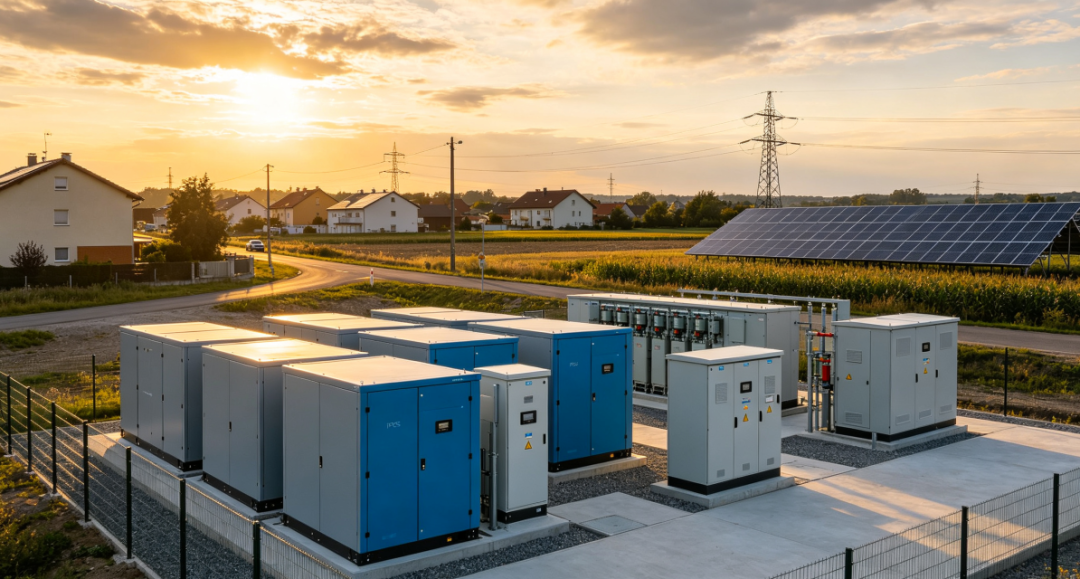
Addressing Distribution Network Challenges: How Transformer-Level Energy Storage Solves Five Key IssuesToday’s distribution networks face a range of critical challenges, including transformer overload, bidirectional power flow overload, three-phase imbalance, harmonic distortion, reactive power imbalance, insufficient power supply reliability, and difficulties in renewable energy integration.Traditional solutions, such as transformer capacity expansion and grid infrastructure upgrades, often involve high investment costs and long implementation cycles, making it difficult to balance economic efficiency and rapid deployment.As a distributed energy storage solution deployed on the low-voltage side of distribution transformers, transformer-level energy storage is designed to address these challenges by improving grid flexibility, stability, and renewable energy utilization.01 | Overcoming Reverse Power Flow from Distributed PVBy the end of 2025, China’s cumulative distributed photovoltaic (PV) capacity had exceeded 530 GW. During peak solar generation periods at noon, PV output can significantly exceed local load consumption capacity, causing reverse power flow toward upstream grids.Transformer-level energy storage enables local absorption of excess PV generation through charging, effectively mitigating reverse power flow issues and improving renewable energy utilization.02 | Managing Voltage Fluctuations and Voltage ViolationsIn rural distribution networks, long feeder lines often cause voltage drops during peak electricity demand periods, while high PV generation can lead to excessive voltage rise.Transformer-level energy storage functions as an intelligent power regulation device, dynamically absorbing or injecting power to maintain voltage within a safe and stable operating range.03 | Precise Three-Phase Imbalance MitigationMany rural distribution transformer areas contain a large proportion of single-phase loads with highly variable consumption patterns. Severe three-phase imbalance can increase neutral line current, trigger zero-sequence protection malfunctions, and significantly increase line losses.JTES-SiC130K-A adopts a phase-level independent control topology, enabling real-time monitoring of three-phase load variations and differentiated current compensation for each phase. This allows dynamic balancing of phase power and significantly improves distribution network efficiency.04 | Reactive Power Compensation and Power Factor ImprovementThe combination of inductive loads, such as air conditioners, pumps, and motors, together with distributed PV systems, can result in reactive power imbalance.With millisecond-level response capability, transformer-level energy storage can dynamically inject or absorb reactive power, improving the grid connection point power factor to above 0.95, reducing line losses, and releasing available transformer capacity.05 | Enhancing Power Supply ReliabilityRural and remote distribution transformer areas often suffer from long feeder distances and higher risks of outages caused by lightning strikes or external damage. Annual outage durations can range from several hours to more than ten hours.During unexpected grid failures, critical loads such as communication base stations and agricultural temperature-control systems may face service interruptions.By integrating with STS (Static Transfer Switch) technology, transformer-level energy storage enables a seamless grid-connected/off-grid transition system, ensuring uninterrupted power supply for critical loads.From Parameter Competition to Scenario-Based CompetitionAs transformer-level energy storage moves toward large-scale deployment, market evaluation criteria are evolving.Customers are no longer focused solely on PCS conversion efficiency. They increasingly value whether products truly understand distribution network operating characteristics and whether they can precisely adapt to real-world transformer-level energy storage applications.In the future, PCS competition will shift from “parameter-driven competition” to “scenario-driven competition.”The companies capable of solving real distribution network challenges will define the future market.JTES-SiC130K-A: Precisely Designed for Transformer-Level Energy Storage ApplicationsBased on the operational characteristics of distribution networks and the practical requirements of transformer-level energy storage, JingTsing Digital Power’s JTES-SiC130K-A String-Type SiC Intelligent Air-Cooled Energy Storage PCS has been specifically optimized for applications requiring:High-frequency power regulationFast responsePhase-level independent controlHigh reliabilityLong-term stable operationThrough optimized control strategies, system architecture, response performance, and environmental adaptability, JTES-SiC130K-A achieves precise alignment between product capabilities and transformer-level energy storage scenarios.01 | Millisecond-Level Response for Faster Grid RegulationFacing scenarios such as rapid PV output fluctuations, concentrated EV charging, and dynamic load changes, JTES-SiC130K-A provides 20 ms-level active and reactive power response, enabling rapid charge/discharge switching and timely voltage stabilization.It delivers flexible distribution network regulation, keeping transformer areas operating in an optimal state.02 | Phase-Level Control for More Accurate Three-Phase ManagementUnlike conventional PCS solutions, JTES-SiC130K-A adopts a three-phase four-leg topology with independent phase control capability.The system continuously monitors three-phase load variations and dynamically compensates phase power, achieving precise three-phase imbalance mitigation.The imbalance level can be controlled within 2%–4%, effectively reducing line losses and improving distribution network efficiency.03 | Seamless Grid-Connected/Off-Grid Switching for Continuous Power SupplyJTES-SiC130K-A supports seamless grid-connected/off-grid switching within 20 ms and can handle 100% three-phase unbalanced loads.With support for VF/VSG operating modes and black start capability, the system can rapidly establish a microgrid during grid failures, enabling zero-interruption power supply for critical loads.It provides reliable energy security for industrial production, commercial operations, and critical public facilities.04 | Intelligent Energy Management: Transforming Storage from Grid Tool into Energy AssetFuture transformer-level energy storage will not only support distribution network management but also participate in electricity market operations.Equipped with standardized communication interfaces and open protocols, JTES-SiC130K-A enables deep integration with EMS, dispatch platforms, and Virtual Power Plant (VPP) systems.It supports applications including PV peak regulation, demand response, and VPP aggregation transactions, maximizing the operational value of energy storage assets.05 | Full SiC High-Efficiency Architecture for Long-Term Value CreationJTES-SiC130K-A adopts advanced SiC power modules, achieving:>99% peak conversion efficiency>98% rated efficiencyThe high-efficiency architecture significantly improves the lifecycle economics of energy storage systems.Compared with conventional solutions, JingTsing Digital Power’s modular SiC packaging design enhances device consistency and thermal balance while maintaining exceptional efficiency, ensuring stable and reliable long-term operation.06 | Designed for Harsh Environments and Complex Operating ConditionsTransformer-level energy storage systems are typically deployed in outdoor substations, box-type transformers, and other unattended environments, requiring reliable operation under extreme conditions including high temperature, low temperature, humidity, and dust exposure.Following the philosophy of “Scenario-Driven Product Design,” Jingqing Digital Power continuously enhances product adaptability for long-term distribution network operation.JTES-SiC130K-A supports:Wide operating temperature range: -30°C to +60°CFull-power operation without derating at 50°CHigh-voltage DC integrated design for improved system safetySealed and encapsulated power components for enhanced protection against moisture, dust, and insectsThe product is designed for reliable long-term operation in industrial parks, mining sites, coastal areas, and other demanding environments.Scenario-Driven Innovation Defines the New Standard for Transformer-Level Energy Storage PCSWith the continued development of high-quality distribution networks, transformer-level energy storage is becoming a critical connection between renewable energy, power grids, and end users, and will serve as a key infrastructure component for future flexible distribution systems.For transformer-level energy storage applications, PCS is not merely an energy conversion device — it is the “intelligent brain” of the entire system.It determines system efficiency, grid management performance, and the long-term value of energy storage assets.JingTsing Digital Power remains committed to driving technological innovation through real-world application scenarios. By continuously enhancing PCS capabilities in fast response, precise control, intelligent dispatch, and environmental adaptability, the company delivers solutions that better understand transformer-level energy storage requirements, better fit distribution network applications, and better support the future evolution of power systems.Looking ahead, JingTsing Digital Power will continue focusing on core PCS technology innovation, providing safer, more efficient, and more reliable energy storage products and solutions to accelerate the development of advanced distribution networks and contribute to a more flexible and resilient global new energy system.
JingTsing Officially Launches Langfang Smart Manufacturing Facility
2026-06-10

JingTsing Officially Launches Langfang Smart Manufacturing Facility

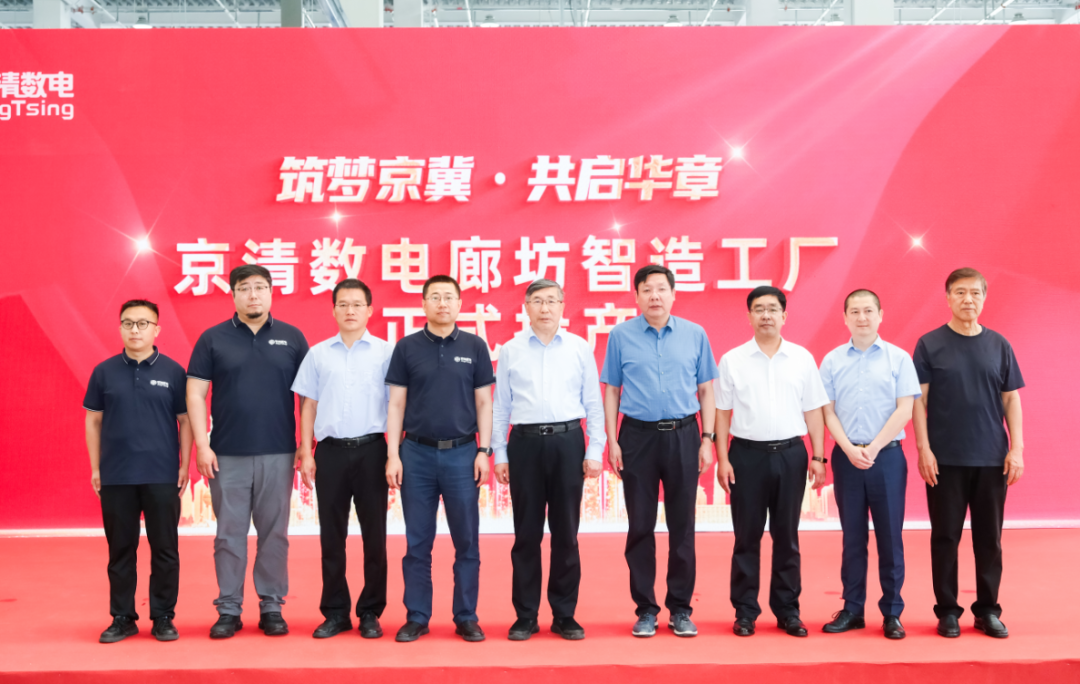
On June 10, JingTsing officially celebrated the commissioning of its Langfang Smart Manufacturing Facility, marking a major milestone in the company's growth.Distinguished guests attending the ceremony included Prof. Li Yongdong, Academician and Professor of the Department of Electrical Engineering at Tsinghua University; Dr. Guan Eryong, Founder, Chairman and CEO of JingTsing; Yu Penghui, Deputy Director of the Langfang Bureau of Industry and Information Technology; Zhang Huawei, Chairman of Langfang Caixin Investment Group; representatives from Qihang Capital, manager of the Langfang Talent Fund; JingTsing's management team; and business partners from across the industry.The launch of the Langfang facility marks the official realization of JingTsing's dual-engine strategy, integrating world-class R&D capabilities with intelligent manufacturing to support the company's next phase of scalable, smart, and global growth.A New Chapter for Intelligent ManufacturingIn his opening remarks, Dr. Guan Eryong, Founder, Chairman and CEO of JingTsing, described the new facility as a significant milestone in the company's development.He emphasized that the factory will leverage advanced intelligent production lines to accelerate the commercialization of core products, including high-voltage liquid-cooled PCS and grid-forming energy storage systems, while further strengthening R&D investment in next-generation technologies such as Solid-State Transformers (SST) and Solid-State DC Transformers (SSDD) for AI infrastructure.Dr. Guan also expressed his sincere appreciation to government authorities, industry experts, investors, and business partners for their continued trust and support.Government and Industry Leaders Recognize Strategic ValueZhang Huawei, Chairman of Langfang Caixin Investment Group, congratulated JingTsing on the successful launch of the facility, highlighting the company's technological strengths and strong growth potential in the energy storage sector.He noted that the project represents an important milestone in the development of the regional new energy industrial cluster and expressed confidence that JingTsing will further integrate with the local industrial ecosystem, leveraging both regional advantages and advanced manufacturing capabilities to promote high-quality development of the new energy and high-end equipment manufacturing industries.Prof. Li Yongdong of Tsinghua University also delivered remarks, sharing insights into the future of the energy storage industry from the perspectives of technological innovation, industrial development, and industry-academia collaboration.He highly recognized JingTsing's achievements in high-voltage energy storage, liquid-cooled technologies, and grid-forming energy storage systems, encouraging the company to continue strengthening R&D, deepening collaborative innovation, and contributing to the global transition toward clean and low-carbon energy.Official Commissioning CeremonyFollowing the speeches, invited leaders and distinguished guests jointly participated in the commissioning ceremony by activating the symbolic launch pillar, officially announcing the start of operations at the Langfang Smart Manufacturing Facility.The ceremony marked the beginning of a new chapter in JingTsing's manufacturing capabilities and was celebrated by all attendees.Intelligent Manufacturing Driven by DigitalizationAfter the ceremony, guests toured the production facility to observe JingTsing's fully digitalized manufacturing process for high-voltage energy storage PCS products.The production line integrates intelligent assembly, automated performance testing, robotic material handling, AGV logistics, and a Manufacturing Execution System (MES) for comprehensive digital quality management.The facility's advanced automation, stringent quality control processes, and internationally aligned manufacturing standards received high praise from government officials and industry experts.Strengthening Global Manufacturing CapacityThe commissioning of the Langfang Smart Manufacturing Facility completes JingTsing's integrated innovation chain—from advanced R&D to intelligent manufacturing—significantly enhancing production capacity, delivery efficiency, and large-scale supply capabilities.As the company's core manufacturing hub and global delivery center, the facility will provide strong production support for JingTsing's expanding portfolio of advanced energy storage products and accelerate the company's international market growth.Looking ahead, JingTsing will continue embracing innovation and global collaboration, delivering safer, smarter, and more efficient energy storage technologies while contributing to the development of a sustainable, resilient, and low-carbon global energy system.

07-31
2026

From Grid Management to Value Creation: JingTsing Digital Power Redefines Transformer-Level Energy Storage

Addressing Distribution Network Challenges: How Transformer-Level Energy Storage Solves Five Key IssuesToday’s distribution networks face a range of critical challenges, including transformer overload, bidirectional power flow overload, three-phase imbalance, harmonic distortion, reactive power imbalance, insufficient power supply reliability, and difficulties in renewable energy integration.Traditional solutions, such as transformer capacity expansion and grid infrastructure upgrades, often involve high investment costs and long implementation cycles, making it difficult to balance economic efficiency and rapid deployment.As a distributed energy storage solution deployed on the low-voltage side of distribution transformers, transformer-level energy storage is designed to address these challenges by improving grid flexibility, stability, and renewable energy utilization.01 | Overcoming Reverse Power Flow from Distributed PVBy the end of 2025, China’s cumulative distributed photovoltaic (PV) capacity had exceeded 530 GW. During peak solar generation periods at noon, PV output can significantly exceed local load consumption capacity, causing reverse power flow toward upstream grids.Transformer-level energy storage enables local absorption of excess PV generation through charging, effectively mitigating reverse power flow issues and improving renewable energy utilization.02 | Managing Voltage Fluctuations and Voltage ViolationsIn rural distribution networks, long feeder lines often cause voltage drops during peak electricity demand periods, while high PV generation can lead to excessive voltage rise.Transformer-level energy storage functions as an intelligent power regulation device, dynamically absorbing or injecting power to maintain voltage within a safe and stable operating range.03 | Precise Three-Phase Imbalance MitigationMany rural distribution transformer areas contain a large proportion of single-phase loads with highly variable consumption patterns. Severe three-phase imbalance can increase neutral line current, trigger zero-sequence protection malfunctions, and significantly increase line losses.JTES-SiC130K-A adopts a phase-level independent control topology, enabling real-time monitoring of three-phase load variations and differentiated current compensation for each phase. This allows dynamic balancing of phase power and significantly improves distribution network efficiency.04 | Reactive Power Compensation and Power Factor ImprovementThe combination of inductive loads, such as air conditioners, pumps, and motors, together with distributed PV systems, can result in reactive power imbalance.With millisecond-level response capability, transformer-level energy storage can dynamically inject or absorb reactive power, improving the grid connection point power factor to above 0.95, reducing line losses, and releasing available transformer capacity.05 | Enhancing Power Supply ReliabilityRural and remote distribution transformer areas often suffer from long feeder distances and higher risks of outages caused by lightning strikes or external damage. Annual outage durations can range from several hours to more than ten hours.During unexpected grid failures, critical loads such as communication base stations and agricultural temperature-control systems may face service interruptions.By integrating with STS (Static Transfer Switch) technology, transformer-level energy storage enables a seamless grid-connected/off-grid transition system, ensuring uninterrupted power supply for critical loads.From Parameter Competition to Scenario-Based CompetitionAs transformer-level energy storage moves toward large-scale deployment, market evaluation criteria are evolving.Customers are no longer focused solely on PCS conversion efficiency. They increasingly value whether products truly understand distribution network operating characteristics and whether they can precisely adapt to real-world transformer-level energy storage applications.In the future, PCS competition will shift from “parameter-driven competition” to “scenario-driven competition.”The companies capable of solving real distribution network challenges will define the future market.JTES-SiC130K-A: Precisely Designed for Transformer-Level Energy Storage ApplicationsBased on the operational characteristics of distribution networks and the practical requirements of transformer-level energy storage, JingTsing Digital Power’s JTES-SiC130K-A String-Type SiC Intelligent Air-Cooled Energy Storage PCS has been specifically optimized for applications requiring:High-frequency power regulationFast responsePhase-level independent controlHigh reliabilityLong-term stable operationThrough optimized control strategies, system architecture, response performance, and environmental adaptability, JTES-SiC130K-A achieves precise alignment between product capabilities and transformer-level energy storage scenarios.01 | Millisecond-Level Response for Faster Grid RegulationFacing scenarios such as rapid PV output fluctuations, concentrated EV charging, and dynamic load changes, JTES-SiC130K-A provides 20 ms-level active and reactive power response, enabling rapid charge/discharge switching and timely voltage stabilization.It delivers flexible distribution network regulation, keeping transformer areas operating in an optimal state.02 | Phase-Level Control for More Accurate Three-Phase ManagementUnlike conventional PCS solutions, JTES-SiC130K-A adopts a three-phase four-leg topology with independent phase control capability.The system continuously monitors three-phase load variations and dynamically compensates phase power, achieving precise three-phase imbalance mitigation.The imbalance level can be controlled within 2%–4%, effectively reducing line losses and improving distribution network efficiency.03 | Seamless Grid-Connected/Off-Grid Switching for Continuous Power SupplyJTES-SiC130K-A supports seamless grid-connected/off-grid switching within 20 ms and can handle 100% three-phase unbalanced loads.With support for VF/VSG operating modes and black start capability, the system can rapidly establish a microgrid during grid failures, enabling zero-interruption power supply for critical loads.It provides reliable energy security for industrial production, commercial operations, and critical public facilities.04 | Intelligent Energy Management: Transforming Storage from Grid Tool into Energy AssetFuture transformer-level energy storage will not only support distribution network management but also participate in electricity market operations.Equipped with standardized communication interfaces and open protocols, JTES-SiC130K-A enables deep integration with EMS, dispatch platforms, and Virtual Power Plant (VPP) systems.It supports applications including PV peak regulation, demand response, and VPP aggregation transactions, maximizing the operational value of energy storage assets.05 | Full SiC High-Efficiency Architecture for Long-Term Value CreationJTES-SiC130K-A adopts advanced SiC power modules, achieving:>99% peak conversion efficiency>98% rated efficiencyThe high-efficiency architecture significantly improves the lifecycle economics of energy storage systems.Compared with conventional solutions, JingTsing Digital Power’s modular SiC packaging design enhances device consistency and thermal balance while maintaining exceptional efficiency, ensuring stable and reliable long-term operation.06 | Designed for Harsh Environments and Complex Operating ConditionsTransformer-level energy storage systems are typically deployed in outdoor substations, box-type transformers, and other unattended environments, requiring reliable operation under extreme conditions including high temperature, low temperature, humidity, and dust exposure.Following the philosophy of “Scenario-Driven Product Design,” Jingqing Digital Power continuously enhances product adaptability for long-term distribution network operation.JTES-SiC130K-A supports:Wide operating temperature range: -30°C to +60°CFull-power operation without derating at 50°CHigh-voltage DC integrated design for improved system safetySealed and encapsulated power components for enhanced protection against moisture, dust, and insectsThe product is designed for reliable long-term operation in industrial parks, mining sites, coastal areas, and other demanding environments.Scenario-Driven Innovation Defines the New Standard for Transformer-Level Energy Storage PCSWith the continued development of high-quality distribution networks, transformer-level energy storage is becoming a critical connection between renewable energy, power grids, and end users, and will serve as a key infrastructure component for future flexible distribution systems.For transformer-level energy storage applications, PCS is not merely an energy conversion device — it is the “intelligent brain” of the entire system.It determines system efficiency, grid management performance, and the long-term value of energy storage assets.JingTsing Digital Power remains committed to driving technological innovation through real-world application scenarios. By continuously enhancing PCS capabilities in fast response, precise control, intelligent dispatch, and environmental adaptability, the company delivers solutions that better understand transformer-level energy storage requirements, better fit distribution network applications, and better support the future evolution of power systems.Looking ahead, JingTsing Digital Power will continue focusing on core PCS technology innovation, providing safer, more efficient, and more reliable energy storage products and solutions to accelerate the development of advanced distribution networks and contribute to a more flexible and resilient global new energy system.
06-18
2026

JingTsing Liquid-Cooled PCS Proven in Demanding Applications, Empowering Green Transformation in Mining

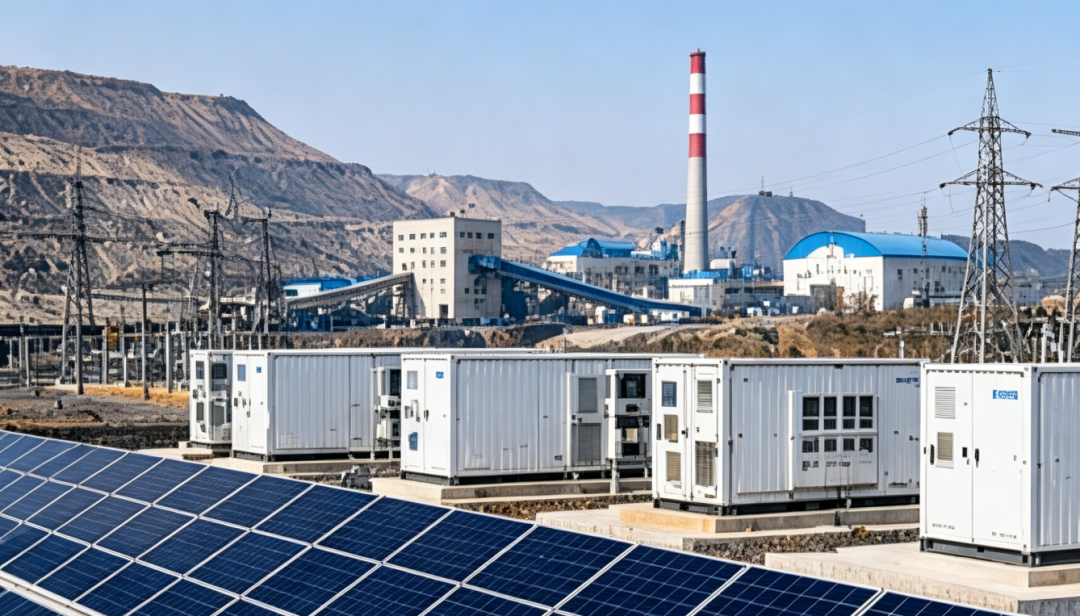
As the global energy transition accelerates, energy storage is expanding beyond conventional power applications into increasingly demanding industrial environments.When deployed in mining, metallurgy, ports, data centers, oil & gas fields, and high-altitude or cold-climate regions, energy storage systems face far greater challenges than conversion efficiency alone. Long-term reliability, operational safety, grid support capability, and environmental adaptability have become equally critical.The true measure of an energy storage technology is not how it performs under standard laboratory conditions, but whether it can operate safely and reliably in the harshest real-world environments.Recently, JingTsing partnered with a leading Chinese manufacturer of intelligent mining equipment to develop an emergency energy storage power supply system for underground coal mines. The project successfully integrates JingTsing's JTES-215K-W Liquid-Cooled PCS, demonstrating the company's capability to deliver reliable energy storage solutions under extreme operating conditions.Extreme Environments Demand More from Energy StorageUnderground mining is widely recognized as one of the most challenging application environments for energy storage systems. High humidity, heavy dust, corrosive conditions, and explosive gases such as methane place exceptionally stringent requirements on equipment safety and reliability.Even more importantly, power interruptions can immediately impact critical systems—including ventilation, drainage, and hoisting—directly affecting operational continuity and personnel safety.Energy storage systems in these environments must deliver not only high efficiency, but also uncompromising reliability when it matters most.Leveraging years of expertise in power conversion technology, JingTsing has developed a fully liquid-cooled PCS solution specifically designed for harsh industrial applications. Combining robust hardware architecture with intelligent control strategies, the solution ensures stable long-term operation even under the most demanding conditions.The system adopts a bidirectional DC/DC converter together with a fully liquid-cooled PCS architecture, offering a compact design, wide operating temperature range, excellent thermal performance, and industry-leading reliability with an exceptionally high MTBF (Mean Time Between Failures).The complete energy storage system is housed within a fully enclosed explosion-proof enclosure and complies with China's stringent mining safety standards, ensuring safe operation in methane-rich underground environments.                              System Topology DiagramFrom Power Conversion to Critical Energy SupportTraditionally, the Power Conversion System (PCS) has been regarded primarily as an energy conversion device.However, in mission-critical industrial applications such as mining, the PCS is evolving into the intelligent control center of the entire energy system.The JTES-215K-W Liquid-Cooled PCS supports seamless switching between grid-connected and off-grid operation while rapidly establishing an independent microgrid to maintain continuous power for critical loads.Drawing on advanced motor drive control technologies, the system intelligently adjusts both output frequency and voltage, enabling precise and flexible control of industrial equipment such as large ventilation fans and water pumps. This ensures stable operation during grid disturbances, motor startups, and other dynamic operating conditions.Rather than functioning as a passive interface between the grid and the battery system, the PCS becomes an active energy management platform that coordinates energy storage, the utility grid, and industrial loads.This evolution—from energy conversion to system-level support, and from device functionality to application value—represents the future direction of the energy storage industry and remains a core focus of JingTsing's technology innovation.                             System Connection DiagramEngineered for the Harshest ConditionsExtreme environments demand uncompromising equipment reliability.For mining applications, JingTsing adopts a fully liquid-cooled architecture that eliminates external cooling fans, significantly reducing the risk of cooling failure caused by dust accumulation.The product features IP65 protection together with enhanced anti-corrosion capability, enabling long-term operation in dusty, humid, and corrosive environments.By combining hybrid SiC power devices with advanced control algorithms, the PCS achieves up to 98.8% conversion efficiency, delivering both exceptional performance and outstanding reliability.In addition, the system provides active grid support functions that mitigate load impacts, improve power quality, and ensure stable operation of critical industrial equipment.Whether operating in high temperatures, high humidity, heavy dust, weak grids, or isolated microgrids, JingTsing remains committed to application-driven innovation—developing products specifically designed for real-world operating conditions rather than laboratory environments.Building Energy Storage Solutions for Every ApplicationAs the global energy transition continues, energy storage applications are rapidly expanding—from utility-scale renewable power plants and commercial & industrial facilities to underground mining, data centers, port electrification, and off-grid microgrids around the world.The successful deployment of this mining emergency energy storage project once again demonstrates the outstanding adaptability and reliability of JingTsing's PCS solutions across diverse and demanding applications.Looking ahead, JingTsing will continue advancing power conversion technologies for extreme operating environments, delivering high-performance energy storage solutions that support global energy transition and accelerate the development of more resilient, efficient, and sustainable power systems.

A total of 1 page 2 data